


Have a question about an order, sizing or shipping? Email us any time.
How to Tell If a Band T Shirt Is Vintage or a Reprint
Posted by
James
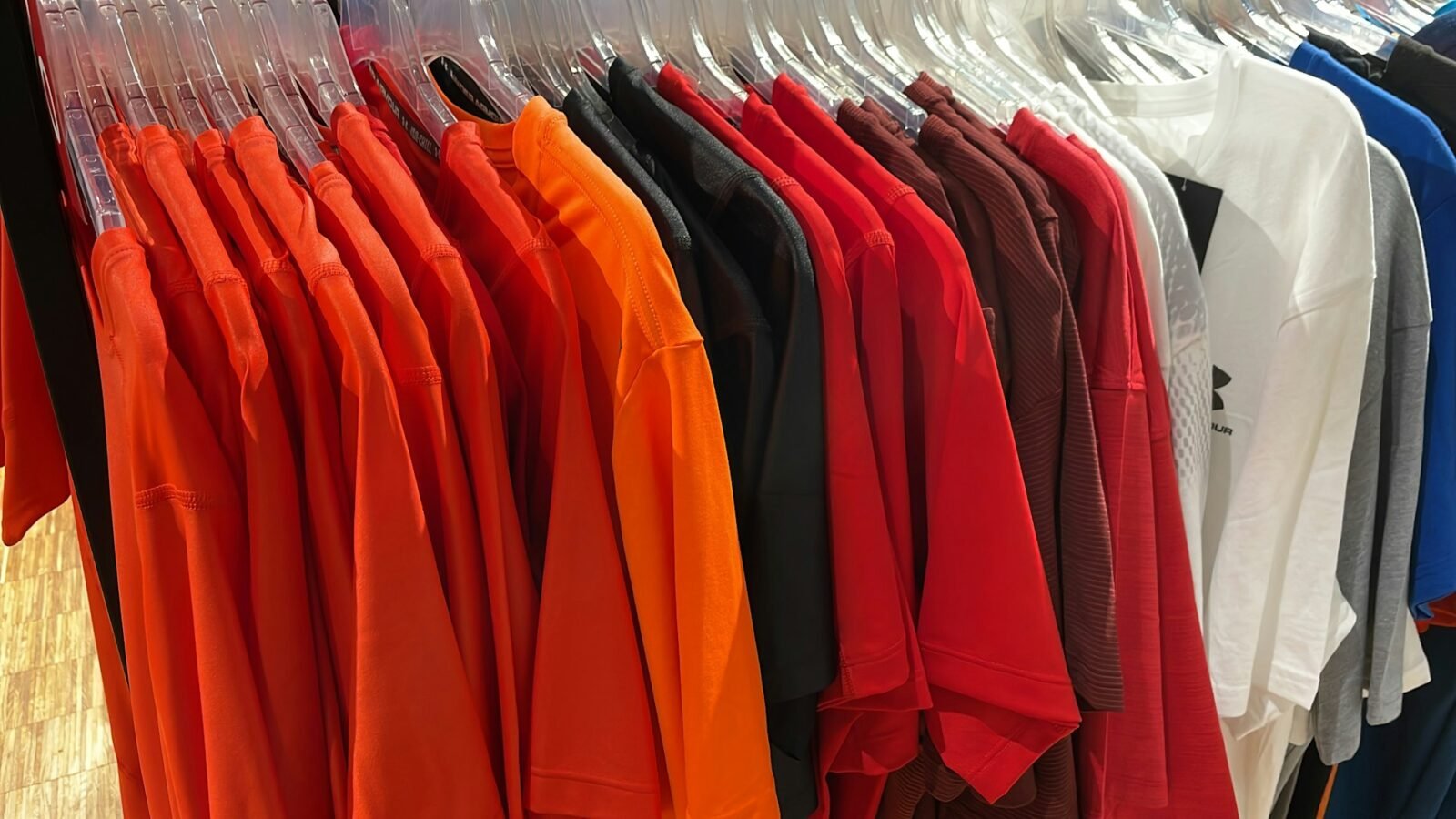
To tell if a band T shirt is truly vintage, check the stitching on the sleeves and bottom hem, the tag, the fabric, the print and any copyright date. A shirt with single stitching on both the sleeve cuffs and the hem was most likely made before the mid 1990s. A worn, era correct tag, a thin cotton or 50/50 cotton and polyester fabric, and a print that has aged with the shirt all point toward a genuine piece. No single sign proves it, so look at all of them together.
Why Authenticity Matters
Original concert shirts from the 1970s, 1980s and 1990s now sell to collectors, and prices for rare shirts can be very high. That has created a large market for reprints, some of which are made to look old on purpose. A reprint is fine to wear and enjoy, but it should be priced and described as a reprint. Knowing the signs protects you when buying from thrift stores, online marketplaces or resellers.
1. Check the Stitching
This is the fastest test. Before the mid 1990s, most US made T shirts were finished with a single line of stitching on the sleeve cuffs and bottom hem. Around 1994 and 1995, manufacturers moved to a double needle stitch, which shows two parallel lines. According to vintage dealer Proper Vintage, a shirt with double stitching on both the sleeves and the hem was almost certainly made after 1995.
Keep three exceptions in mind:
- Collars were often double stitched even on older shirts, so judge only the sleeves and hem.
- Transition years (roughly 1994 to 1996) produced shirts with a mix of single and double stitching.
- European shirts moved to double stitching earlier, so a late 1980s European tour shirt can be fully double stitched.
Also note that some modern brands now sell new single stitch shirts for a retro look. Single stitching alone does not prove a shirt is old.
2. Read the Tag
Tags change with every era, and collectors learn to recognize them. Common blank brands on 1980s and early 1990s concert shirts include Screen Stars, Hanes and Fruit of the Loom, and licensed merch companies of the period such as Brockum and Giant often printed their own names on tags or the shirt itself. Things to check:
- Wear: an old tag should show fading and softening that matches the rest of the shirt. A crisp tag on a heavily worn shirt is a warning sign.
- Country of origin: many vintage American shirts say Made in USA. A large share of modern blanks are made in Central America or Asia.
- RN number: many US tags carry an RN number, which identifies the company that made or sold the garment. You can look it up in the Federal Trade Commission's RN database.
- Missing tags: a cut tag does not mean a fake, but it removes an important clue.
3. Feel the Fabric
Many 1970s and 1980s shirts were thin and soft, often a 50/50 cotton and polyester blend that feels slightly slick and drapes loosely. Many were tubular knit, with no side seams. Most modern blanks are thicker 100% cotton with side seams. A very heavy, stiff shirt with a vintage design is more likely a modern reprint.
4. Study the Print
- Natural aging: real wear shows as fine cracking, softening and fading that follows how the shirt was worn and washed, often heavier at the chest and folds.
- Printed distress: artificial wear is often part of the artwork, with a repeating cracked pattern that sits evenly across the whole design.
- Print method: most vintage tour shirts were screen printed with a few solid colors. Photographic detail and smooth gradients usually point to modern digital printing.
5. Look for a Copyright Date and Tour Details
Official tour shirts often carry a small copyright line with a year and the name of the licensing or merch company. Tour dates on the back should match the band's real tour history. Check spellings of cities, since reprints sometimes contain errors. Keep in mind that reprints often copy the original date, so a date on its own proves nothing.
6. Compare Size and Fit
Older sizes ran smaller and shorter. A vintage large often fits like a modern medium. If a shirt labeled XL from the 1980s fits like a modern XL, take a closer look.
A Quick Authentication Checklist
- Single stitch on sleeves and hem.
- Era correct tag that has aged with the shirt.
- Thin, soft fabric, often a blend, sometimes with no side seams.
- Print wear that matches the fabric wear.
- Copyright line and tour details that match real history.
- Fit that runs smaller than modern sizing.
The more of these that line up, the more confident you can be. When a shirt is expensive, ask the seller for close up photos of the tag, stitching and print, and buy from dealers who offer returns.
Vintage Style Without the Vintage Price
Many fans love the look of an old concert shirt but do not want to pay collector prices or worry about damaging a fragile piece. Vintage style shirts give you the faded colors, cracked prints and relaxed fit on a new garment. Our Led Zeppelin inspired designs and Bruce Springsteen inspired designs follow that style with original artwork.
Frequently Asked Questions
Does single stitch always mean vintage?
No. It strongly suggests a shirt made before about 1995, but some modern brands produce new single stitch shirts, and some old European shirts are double stitched.
Are reprints of band shirts legal?
Official reprints made under license by the band or its merch partner are legal. Unlicensed copies using a band's name, logo or artwork are bootlegs.
How can I date a band shirt quickly?
Check the stitching first, then the tag. Together they usually narrow the date to a decade.
Where can I find real vintage band tees?
Specialist vintage dealers, thrift stores, estate sales and reputable online resellers. Ask for detailed photos and check return policies before buying.
Share:
Share:
Related Posts

Why Is Tour Merch So Expensive? Where Your Money Goes
Venue merch cuts, printing, touring costs, taxes and revenue shares explain why a concert shirt costs $40 or more. Here is where the money goes and how fans can get better value.
Continue Reading


What to Wear to a Concert: Outfit Ideas for Every Genre
Concert outfit ideas for rock, metal, hardcore, pop punk and Latin pop shows, plus what to wear at stadiums, clubs and festivals, the right shoes, bag rules and hearing protection.
Continue Reading

How to Wash Graphic Tees Without Ruining the Print
Turn it inside out, wash cold, skip bleach and air dry. Here is how to wash graphic and band tees so prints stop cracking, colors stay dark and shirts keep their fit.
Continue Reading