


Have a question about an order, sizing or shipping? Email us any time.
How to Wash Graphic Tees Without Ruining the Print
Posted by
Bailey Poulter
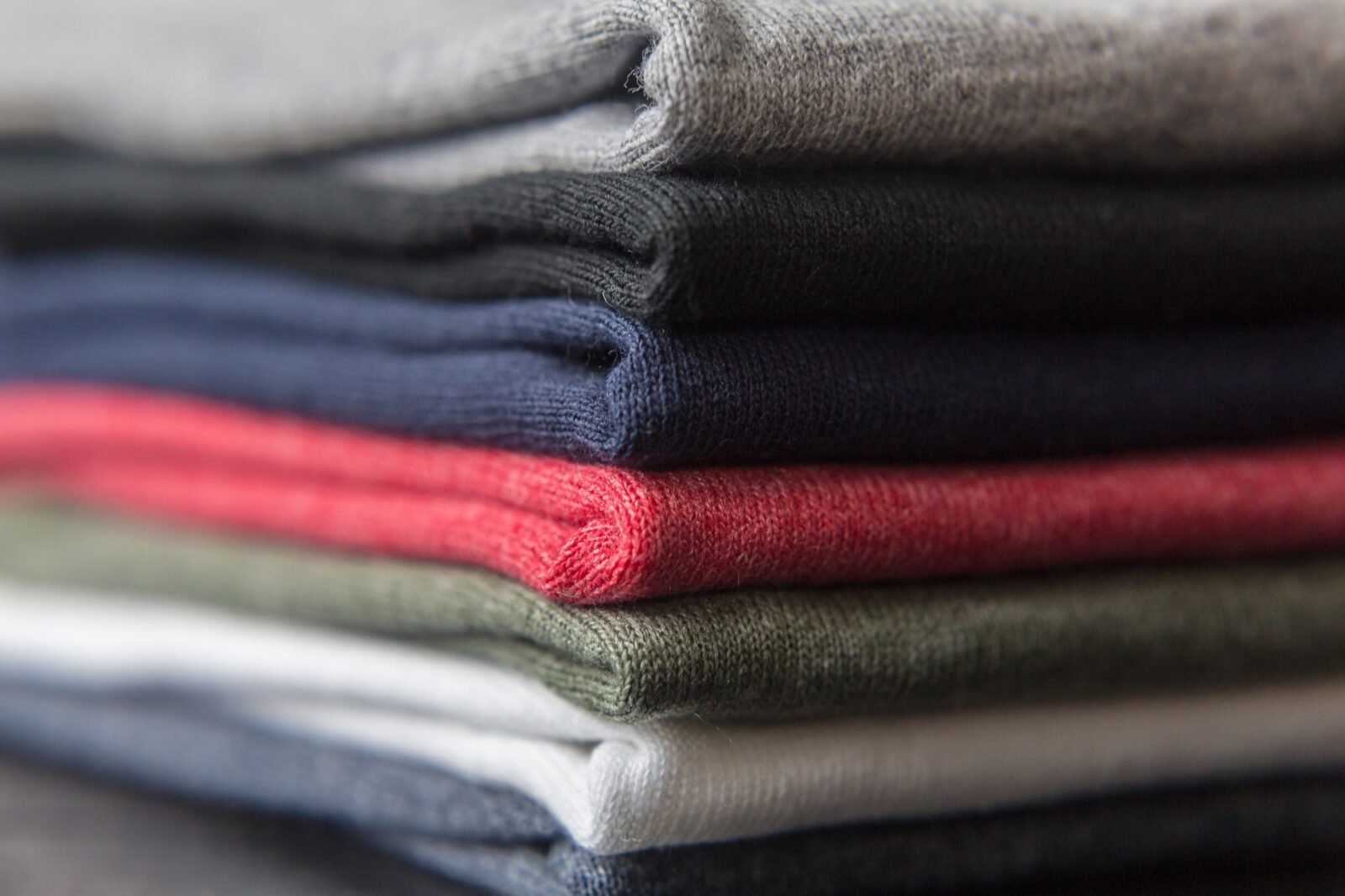
To wash a graphic tee without ruining the print, turn it inside out, wash it in cold water (30°C or 86°F or lower) on a gentle cycle with similar colors, use a mild detergent without bleach, and hang it to dry or tumble dry on low. Never iron directly over the print. These few habits stop cracking, peeling and fading, and they keep the shirt from shrinking. Here is why each step works and how to adjust it for different print types.
Why Graphic Tees Wear Out
A printed shirt gets damaged in three main ways:
- Heat: hot water and high dryer heat soften printed ink and shrink cotton fibers. When fabric shrinks under a print that does not shrink at the same rate, the print cracks.
- Friction: in the drum, clothes rub against each other, zippers and buttons. That rubbing wears down the print surface and fades dark dye.
- Chemicals: bleach breaks down dye and ink. Fabric softener can coat the print and fibers, and strong stain removers can lift ink.
Every tip below reduces one of these three problems.
Step by Step: How to Wash a Graphic Tee
- Read the care label. It tells you the maximum safe temperature. On the wash tub symbol, one dot means 30°C, two dots mean 40°C and three dots mean 50°C.
- Turn it inside out. This moves the print away from other clothes and the drum, so it rubs less.
- Sort by color. Wash black shirts with dark clothes and white or pastel shirts with light clothes. New dark shirts can release dye in the first few washes.
- Close zippers and hooks on other clothes. Metal teeth snag prints and fabric.
- Use cold water. Cold water cleans everyday sweat and dirt well with modern detergents, protects the print and limits shrinking.
- Choose a gentle or delicate cycle. Less spinning means less friction and stretching.
- Use a mild liquid detergent. Powder can leave residue on dark shirts. Skip bleach entirely, including oxygen bleach on colored prints.
- Dry with low heat or none. Hang the shirt on a hanger or lay it flat. If you use a dryer, choose the lowest heat and remove the shirt while it is still slightly damp.
Different Prints Need Slightly Different Care
Knowing how your shirt was printed helps you look after it. Product pages often say which method was used.
- Plastisol screen prints: the classic thick, slightly raised print on most band tees. It is durable but cracks under high heat. Plastisol is cured at around 160°C (320°F) during printing, and an iron can reach that temperature and melt it.
- Water based and discharge prints: soaked into the fabric, so they feel soft and rarely crack. They fade gently over time, which many people like.
- DTG (direct to garment) prints: ink sprayed into the fibers, similar to an inkjet printer. DTG prints are the most sensitive to hot water and harsh detergent, so cold, gentle washing matters most here.
- Heat transfer and vinyl prints: a film pressed onto the shirt. They peel at the edges if exposed to heat, so never iron them and avoid the dryer.
How to Stop a Shirt From Shrinking
Cotton shrinks most during its first few hot washes and hot dryer cycles. Many shirts are preshrunk at the factory, but they can still shrink a little. To keep the original fit, wash in cold water and air dry. If a shirt has already shrunk slightly, soaking it in lukewarm water with a little hair conditioner, then gently stretching it while damp and drying it flat, can recover some length.
How to Keep Black Shirts Black
Black band shirts fade faster than any other color because the dye sits near the surface of the fibers. Wash them less often, always inside out, in cold water with a detergent made for dark clothes. Dry them out of direct sunlight, since UV light fades black dye. Washing a full load of dark clothes, rather than one shirt alone, also reduces friction in the drum.
Removing Stains Without Damaging the Print
- Sweat and deodorant marks: soak the underarms in cold water with a little detergent for 30 minutes before washing.
- Drinks at a concert: rinse with cold water as soon as you can. Hot water sets many stains.
- Grease and food: a small amount of dish soap rubbed gently on the stain, then a cold wash.
- On the print itself: dab, do not scrub. Test any stain remover on an inside seam first.
Ironing a Graphic Tee
Most graphic tees do not need ironing if you hang them to dry. If you must iron, turn the shirt inside out, use low heat and avoid the printed area, or place a thin cloth between the iron and the fabric. A handheld steamer is a safer choice for prints.
How Often Should You Wash a Band Tee?
Wash a shirt after heavy sweating, such as a concert or workout. After light wear, airing it out overnight is often enough. Fewer washes means less fading and less wear on the print, so a favorite shirt lasts years longer.
Storing Graphic Tees
Fold tees rather than hanging them for long periods, since hangers can stretch the shoulders. Do not stack heavy items on top of prints, and keep them out of direct sunlight. For valuable vintage shirts, store them folded in a cool, dry drawer, and avoid plastic bags, which trap moisture.
Frequently Asked Questions
Can I put a graphic tee in the dryer?
You can on the lowest heat setting, but air drying is safer. High heat cracks prints and shrinks cotton.
Should I use fabric softener on printed shirts?
It is better not to. Softener can leave a coating on prints and fibers, and on cotton and polyester blends it can trap odor.
Why does the print on my shirt crack?
Usually because of heat. Hot washing or drying shrinks the fabric under the print, and the ink cracks as the fabric moves. Washing cold and air drying prevents most cracking.
Is hand washing better than machine washing?
Hand washing is the gentlest option, but a cold, gentle machine cycle with the shirt inside out gives very similar results with far less effort.
Share:
Share:
Related Posts

Why Is Tour Merch So Expensive? Where Your Money Goes
Venue merch cuts, printing, touring costs, taxes and revenue shares explain why a concert shirt costs $40 or more. Here is where the money goes and how fans can get better value.
Continue Reading

How to Tell If a Band T Shirt Is Vintage or a Reprint
Single stitch, tags, fabric, print wear and copyright dates: a practical checklist for telling a genuine vintage band tee from a modern reprint before you buy.
Continue Reading

What to Wear to a Concert: Outfit Ideas for Every Genre
Concert outfit ideas for rock, metal, hardcore, pop punk and Latin pop shows, plus what to wear at stadiums, clubs and festivals, the right shoes, bag rules and hearing protection.
Continue Reading